Proud! Eleven model workers won the "July 1st Medal"!
On June 29th, the ceremony of "July 1st Medal" was held in the Great Hall of the People to celebrate the centenary of the founding of the Communist Party of China (CPC). This is the first time that the Communist Party of China (CPC) was awarded the "July 1st Medal" on the occasion of its centenary birthday, and 29 people won this honor. The reporter learned from the All-China Federation of Trade Unions that 11 of the 29 people are party member, a model worker.
Let’s approach these shiny names together!

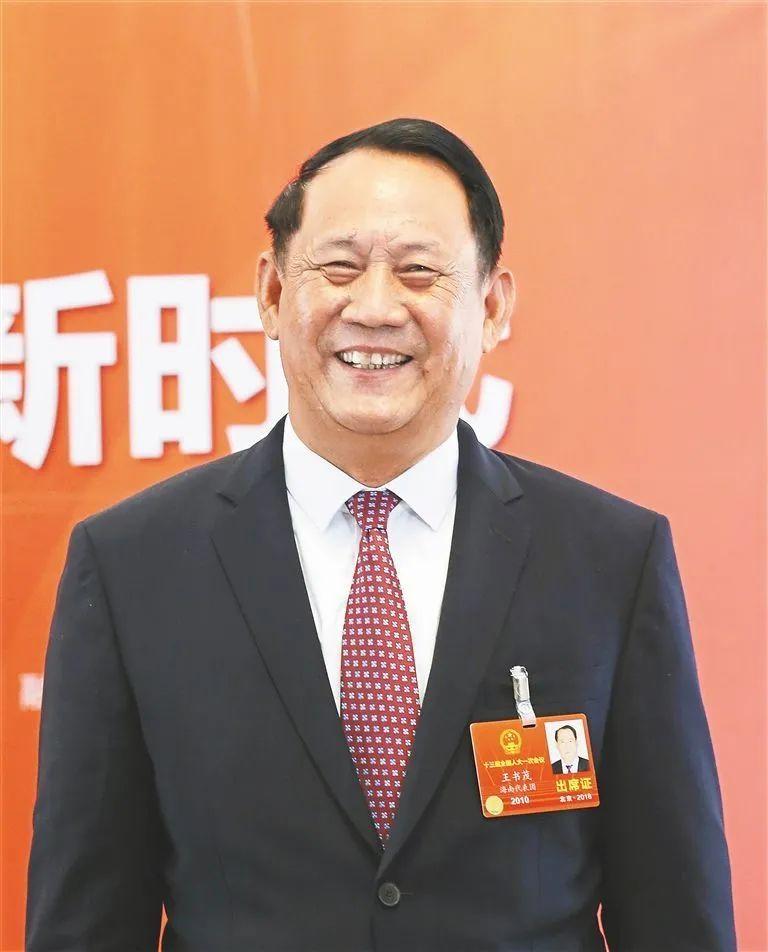
Wang Shumao
national model worker
Wang Shumao, male, Han nationality, born in December 1956, joined the Party in June 1996. He is a native of Qionghai, Hainan, secretary of the Party branch and director of the village committee of Tanmen Village, Tanmen Town, qionghai city, Hainan Province, deputy company commander of Tanmen Maritime Militia Company, and a representative of the 13th National People’s Congress. As a model for the country to protect the sea, it has participated in a number of major national sea-related work, participated in the construction of Nansha Island reef, and cultivated civil forces for safeguarding rights in the South China Sea. In the struggle for rights protection in the South China Sea, we are in the forefront, not afraid of sacrifice and intransigence, and resolutely defend China’s territorial sovereignty and maritime rights and interests. Lead the masses to build big ships, go deep into the sea, develop leisure fisheries and build marine homestays to achieve common prosperity. Won the title of "National Model Worker" and "Pioneer of Reform".
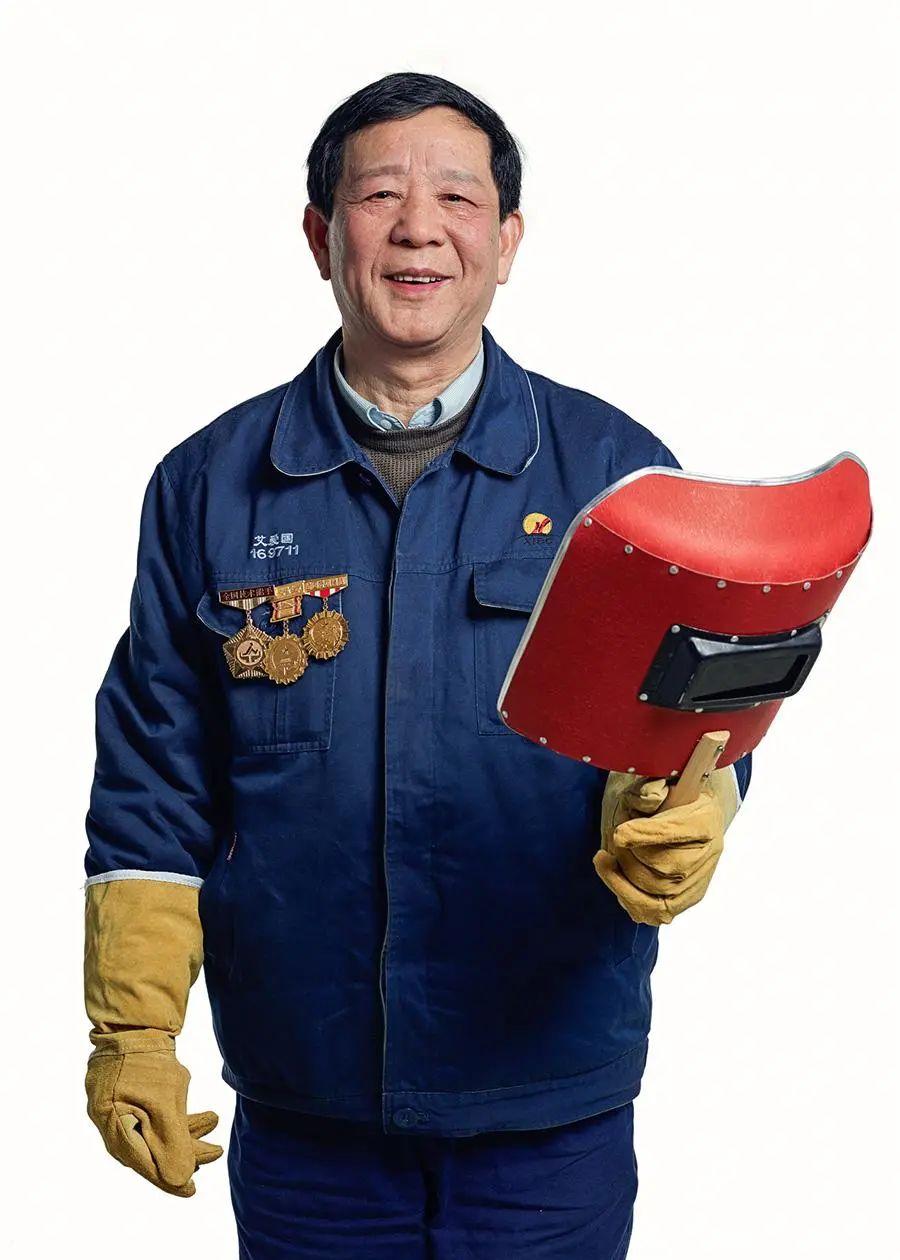
Ai aiguo
national model worker
Ai Aiguo, male, Han nationality, born in March 1950, joined the Party in June 1985, from Youxian County, Hunan Province, welding consultant of Hunan Hualing Xiangtan Iron and Steel Co., Ltd., supervisor of Hunan Welding Association, representative of the 15th National Congress of the Communist Party of China, and representative of the 7th National People’s Congress. An outstanding representative of the craftsman spirit, adhering to the belief of "doing things to the extreme and being a worker to the best", has devoted himself to the position of welder for more than 50 years, integrating rich theoretical accomplishment and operational skills, and has participated in the welding technical research of major projects in China for many times, overcoming hundreds of welding technical difficulties. As a "leader" in China’s welding field, he has devoted himself to spreading the arts and trained more than 600 welding technical talents throughout the country. Won the title of "National Model Worker" and "Top Ten Outstanding Workers in China".
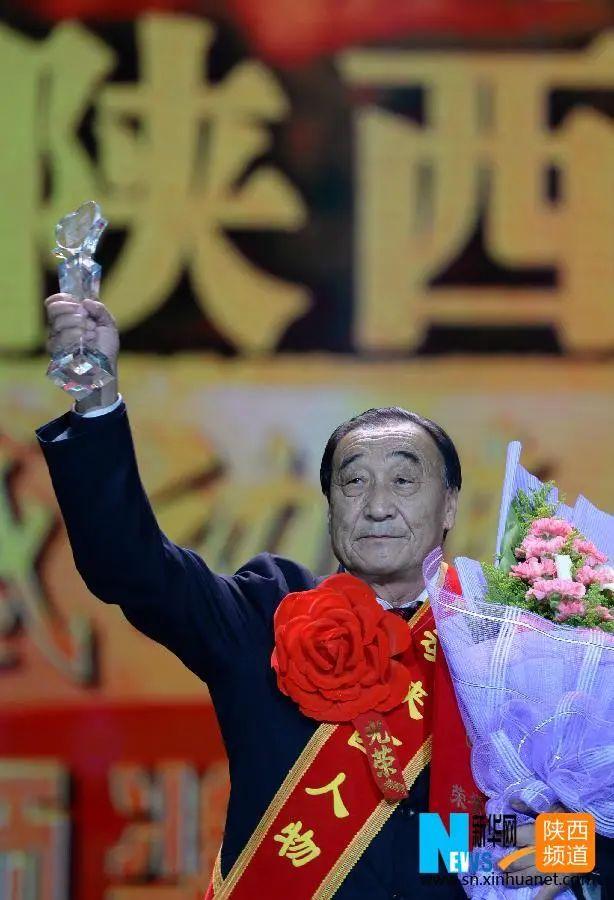
Shi Guangyin
national model worker
Shi Guangyin, male, Han nationality, born in February 1952, joined the Party in July 1973. He is a native of Dingbian, Shaanxi Province. He is the former secretary of the General Party Branch of Shilisha Village, Dingbian Street, Dingbian County, Shaanxi Province, the chairman of Shaanxi Shiguangyin Sand Control Group Co., Ltd., the representative of the 18th Party Congress and the 13th National People’s Congress. A model representative of the cause of sand control and afforestation, he fought against the barren sand and alkali beach for more than 40 years, and built a green Great Wall with a length of more than 100 miles on the southern edge of the Mu Us Desert, completely changing the harsh environment of "sand enters and retreats". Combine sand control with getting rich, and create a new model of "company+farmers+base" to help people in sand areas get rid of poverty and get rich. Won the title of "National Model Worker" and "National Sand Control Hero".
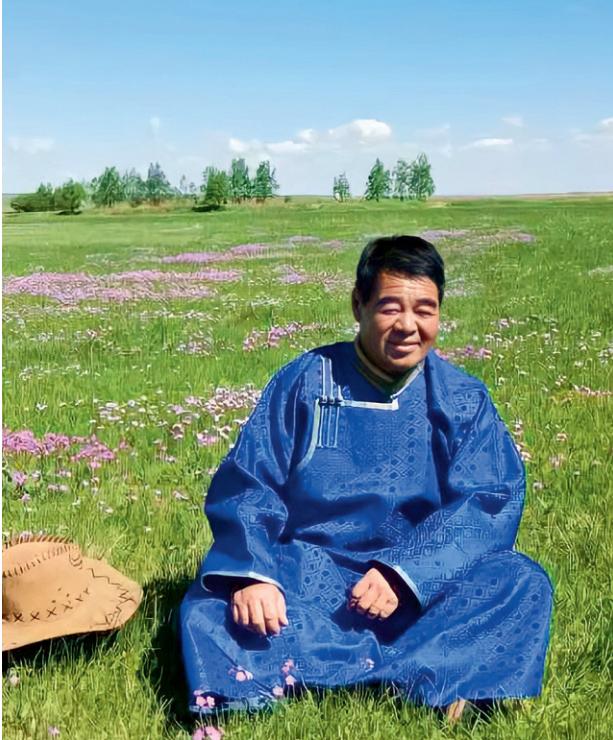
Ting Bater
national model worker
Ting Bater, male, Mongolian, born in June 1955, joined the Party in November 1976, from Hohhot, Inner Mongolia, former secretary of Sarula tuya Gacha Party Branch in Gaole Town, hunger, Abaga Banner, Inner Mongolia Autonomous Region, representative of the 17th and 18th CPC National Congress, representative of the 10th National People’s Congress and member of the 13th Chinese People’s Political Consultative Conference. Taking root in pastoral areas and working hard, the model has been rooted in pastoral areas for nearly 50 years with the belief of "let herders live a good life", exploring new ways to protect ecology, develop economy and increase income, which has made earth-shaking changes in the production and life of local herders. Won the titles of "National Excellent Communist party member", "National Model Worker", "National Model Individual of National Unity and Progress" and "Pioneer of Reform".
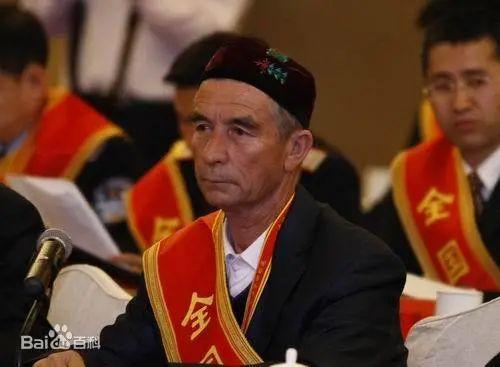
Mohammad Jiang Wu mai er
national model worker
Mohammad Jiang Wumaier, male, Uygur, born in December 1952, joined the Party in July 1973, from Yining, Xinjiang, former secretary of the Party branch of Bulikai Village, Wenyaer Township, Yining County, Xinjiang Uygur Autonomous Region, former director of the village committee, and representative of the 18th CPC National Congress. An advanced model with a clear-cut banner and resolute struggle against the "three forces" stood up without fear in the face of the death threat of religious extremist forces. Insist on strengthening the foundation, pay great attention to the construction of branch and party member team, and serve as the village party secretary for more than 30 years. There has not been a terrorist incident in the village. In-depth development of "national unity and family" and national unity and friendship activities, the establishment of Mandarin kindergartens to promote the common language of the country, to make outstanding contributions to promoting national unity and progress. Won the title of "National Excellent Communist party member" and "National Model Worker".
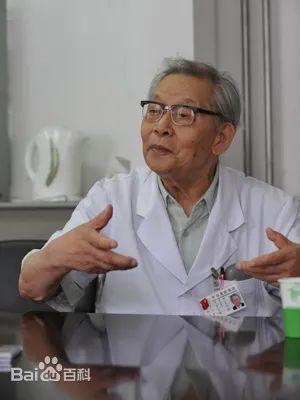
Xin childbearing age
National model workers and national advanced workers
Xin of childbearing age, male, Han nationality, born in February 1921, joined the Party in July 1939, Levin, Hebei, former president of China-Japan Friendship Hospital, director of thoracic surgery, and deputy to the Fifth National People’s Congress. Pioneers and founders of thoracic surgery in New China. During the war, he fought side by side with Bethune and rushed to the front to treat the wounded many times. In peacetime, he devoted himself to the establishment and development of thoracic surgery in China for a long time. He was the first person to have a body lung transplant operation in Chinese, made a breakthrough from 0 to 1 in many aspects of thoracic surgery, and made outstanding contributions to the innovation and development of health care in China. Won the title of "National Model Worker" and "National Advanced Worker".
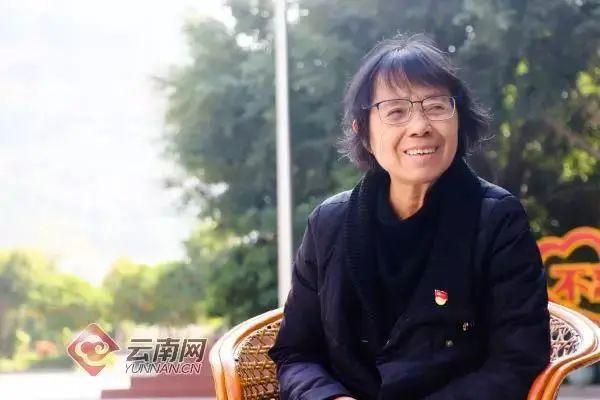
Zhang guimei
National advanced workers
Zhang Guimei, female, Manchu, born in June, 1957, joined the Party in April, 1998. She is a native of Xiuyan, Liaoning Province, secretary and principal of the Party branch of Huaping High School for Women in Lijiang, Yunnan Province, dean of Huaping Children’s Welfare Institute (Huaping Children’s Home) and representative of the 17th National Congress of the Communist Party of China. Rooted in poverty-stricken areas for more than 40 years, she founded the first all-free girls’ high school in China and helped more than 1,800 girls in poverty-stricken mountainous areas to realize their dreams. She is the "mother Zhang" who has devoted herself to education. Explore the formation of a characteristic teaching model of "party building leads teaching, revolutionary tradition establishes schools, and red culture educates people", and cultivate souls with red genes. Dragging my sick body to work, I have visited more than 1,600 households for 12 years and traveled more than 110,000 kilometers. Won the honorary title of "National Model for Poverty Alleviation" and the titles of "National Excellent Communist party member" and "National Advanced Worker".
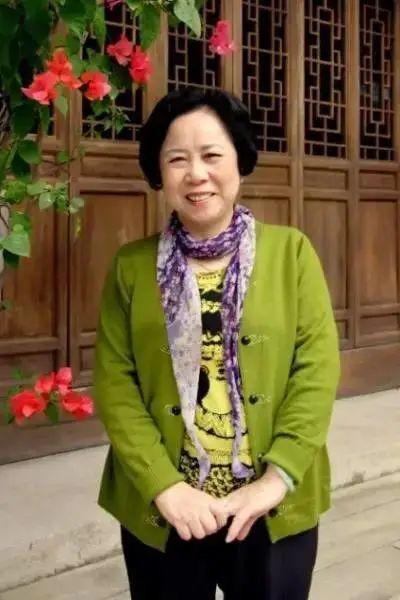
lindane
National May Day Labor Awardchapter
Lin Dan, female, Han nationality, born in December 1948, joined the party in August 1985. She is a native of Fuzhou, Fujian Province, secretary of the Party Committee of Junmen Community, Dongjie Street, Gulou District, Fuzhou City, Fujian Province, and a representative of the 17th and 18th CPC National Congress. Outstanding representatives of community workers have been rooted in the community for more than 40 years, always loving the people, being the "mouthpiece" of the party and the "waiter" of the masses, and doing every work in the community in a down-to-earth manner. Guided by Party building, we innovated the community governance model, carried out the service of "one trip without running, one trip at most", set up residents’ talk day and "home care service center", etc., and made the party’s work to the hearts of the masses, and were affectionately called "Alley Prime Minister" by the masses. Won the title of "National Excellent Communist party member", "National May 1st Labor Medal" and "National March 8th Red Flag Bearer Model".
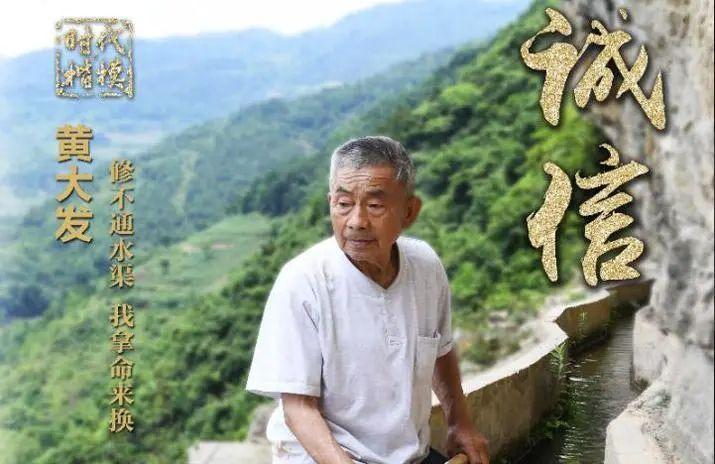
Huang Dafa
national model worker
Huang Dafa, male, Han nationality, born in November 1935, joined the party in November 1959. He is a native of Zunyi, Guizhou Province, and secretary of the Party branch of Yuancaowangba Village, Pingzheng Gelao Township, Bozhou District, Zunyi City, Guizhou Province. A model of dedication, hard work and perseverance. Led the villagers for 36 years, dug a "life canal" with a main canal length of 7,200 meters and a branch canal length of 2,200 meters on the cliff, fulfilled the oath of "water can’t pass, and paved with life" with hard work, and made great contributions to improving the water use conditions of people in mountainous areas and realizing poverty alleviation. It is known as "contemporary foolish old man". Won the title of "National Model Worker" and "Model of the Times".
Huang Wenxiu
National May Day Labor Medal
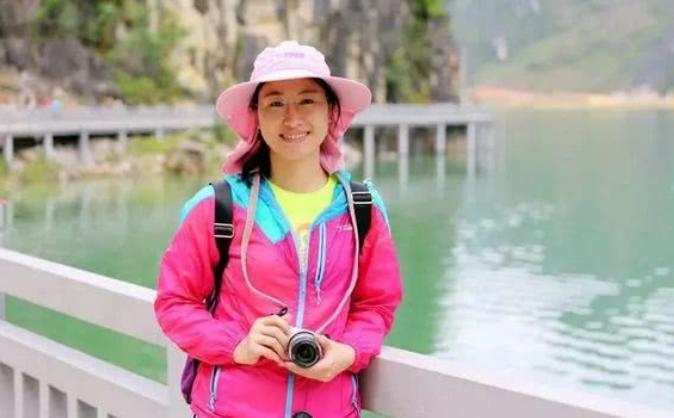
Huang Wenxiu, female, Zhuang nationality, born in April 1989, joined the Party in June 2011 and died in June 2019. She was born in Tian Yang, Guangxi, former deputy section chief of the theoretical department of the Propaganda Department of Baise Municipal Committee of Guangxi Zhuang Autonomous Region, and former first secretary of the Party branch of Baini Village, Xinhua Town, leye county. Outstanding representative of young party member cadres in the new era who are sweating and dedicating themselves to tackling poverty. After graduating from graduate school, I gave up my job opportunities in big cities, volunteered to be the first secretary in poor villages, dedicated my life to the cause of poverty alleviation and wrote the song of youth in the new era. He was posthumously awarded the honorary title of "National Model for Poverty Alleviation" and the titles of "National Excellent Communist party member", "National May 1st Labor Medal" and "Model of the Times".
Huang Baomei
national model worker
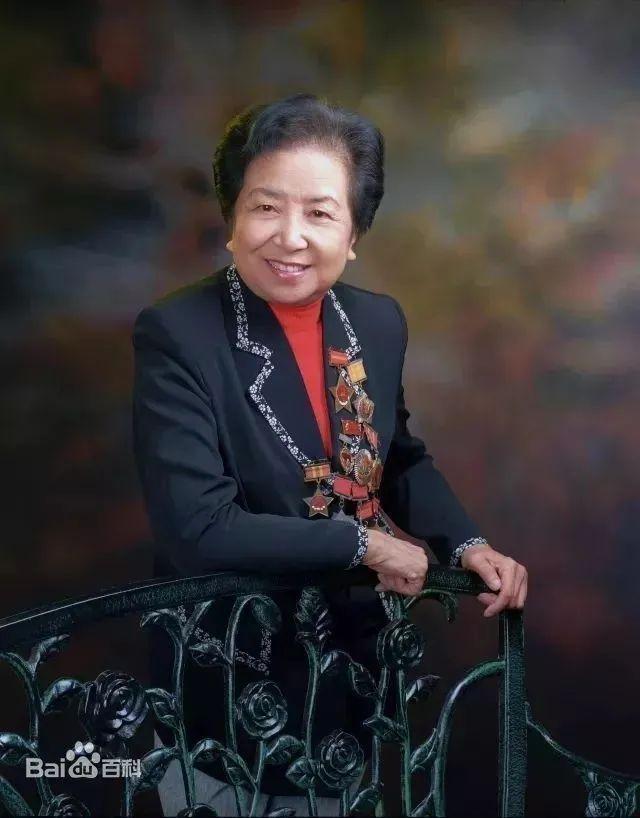
Huang Baomei, female, Han nationality, born in December 1931, joined the Party in November 1952, a native of Shanghai, former vice-chairman of the 17th Cotton Textile Factory in Shanghai, and the eighth representative of the Party. Outstanding representative of textile workers in New China, witness, participant and devotee of national development. In order to realize the dream of "the people of the whole country get dressed", he worked diligently all his life and made extraordinary achievements in ordinary posts. After retirement, I insisted on glowing, participated in the construction of many cotton mills in many places, actively served the residents, participated in the "Hundred-year-old Moral Education Lecturer Group" in the city, and preached the spirit of model workers and the fine traditions of the party live. Won the title of "National Model Worker" twice.
Source: Workers Daily Client Workers Daily reporter Zheng Li
related news
Reporting/feedback