The growth rate of R&D funds in the central and western regions of China has surpassed that in the eastern region for four consecutive years, and the catch-up trend is obvious.

  CCTV News:Yesterday (September 22nd), the National Bureau of Statistics, the Ministry of Science and Technology and the Ministry of Finance jointly issued the Statistical Bulletin on National Science and Technology Investment in 2020. According to the Bulletin, in 2020, China’s research and experimental development, that is, R&D investment, reached a new high, and the investment intensity continued to increase.
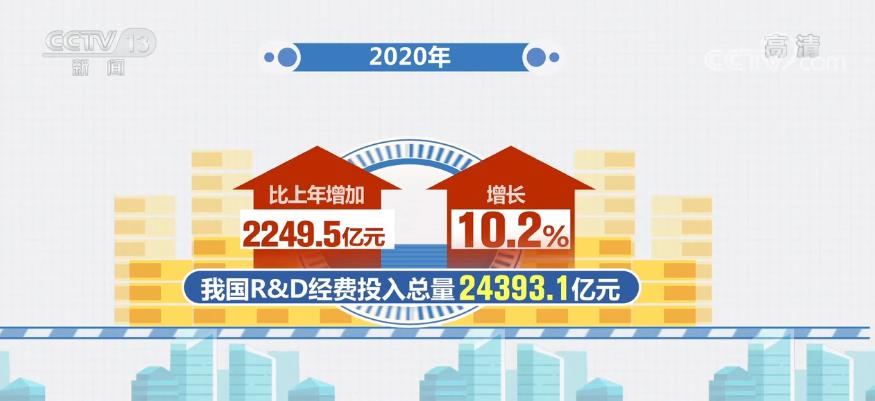
  According to the data in the Bulletin, in 2020, the total R&D expenditure in China exceeded 2.4 trillion yuan, reaching 2,439.31 billion yuan, an increase of 224.95 billion yuan or 10.2% over the previous year, which continued the double-digit growth trend since the 13th Five-Year Plan. However, due to the COVID-19 epidemic and other factors, the growth rate dropped by 2.3 percentage points.
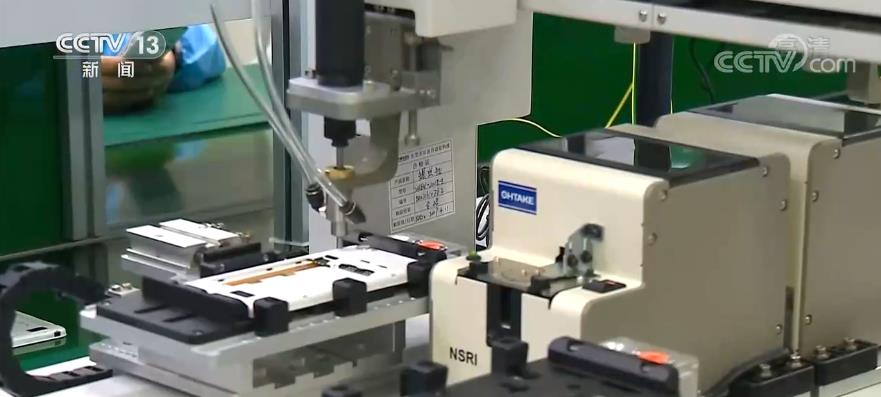
  Specifically, the pulling role of enterprises has been further enhanced. In 2020, the R&D expenditure of enterprises was 1,867.38 billion yuan, an increase of 10.4% over the previous year; It accounts for 76.6% of the national R&D expenditure and contributes 77.9% to the national growth, up by 0.2 and 9.4 percentage points respectively over the previous year, which further strengthens the pulling effect.
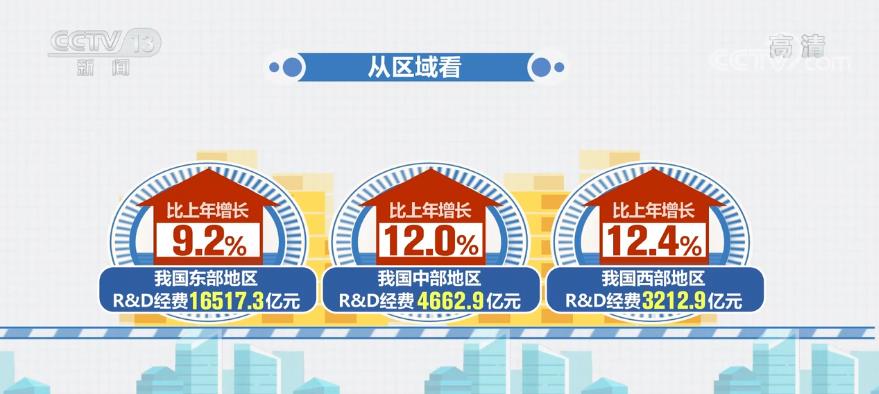
  From a regional perspective, the number of provinces with R&D expenditure exceeding 100 billion yuan reached 8, an increase of 2 over the previous year. The R&D expenditure in the eastern, central and western regions of China was 1,651.73 billion yuan, 466.29 billion yuan and 321.29 billion yuan, respectively, up by 9.2%, 12% and 12.4% over the previous year. The growth rate of the central and western regions exceeded that of the eastern regions for four consecutive years, and the catch-up situation was obvious. The growth rate of R&D funds in Beijing-Tianjin-Hebei and Yangtze River Delta regions is faster than the national average.

  From the international comparison, in 2020, China’s total R&D expenditure is about 54% of that of the United States, 2.1 times that of Japan, ranking second in the world. Among the major economies in the world, China’s R&D investment intensity level has increased from the 16th place in the world in 2016 to the 12th place.
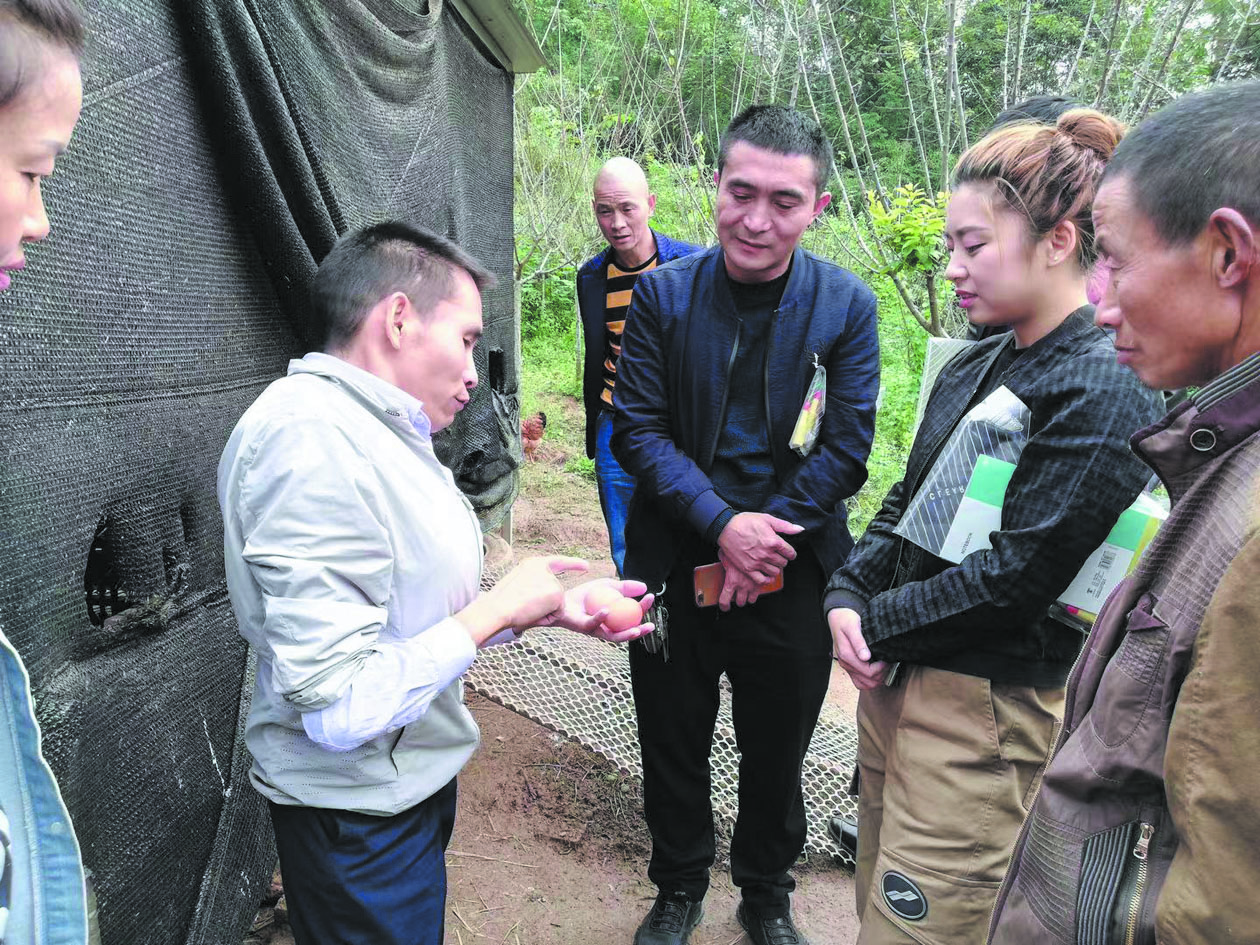
Chongzhou has a platform for the disabled to get rich.

  "One person is not rich, I want to lead more disabled friends like me to get rich!" Every time I talk about my original intention, Jia Yu’s face is always so firm and confident, and the smiling face gives people warmth and trust.

  Jia Yu, born in 1981, is a native of Wangdian Village, Chongyang Town, chongzhou city. When he was 10 months old, he was disabled due to an accident and has been unable to move. The physical disability did not stop Jia Yu’s desire to get rich. He started to find a job and start his own business by himself at the age of 16. In 2002, he persuaded his parents to borrow a sum of money from the bank and began to raise chickens on a large scale. With his efforts, the farm has developed rapidly and the annual output value has been rising year by year. In 2007, Jia Yu set up a company with gratitude to the society. He named the company "Chengdu Fuen Poultry Industry Co., Ltd." with the theme of "blessing and gratitude". Since then, Jia Yu has been elected as the vice chairman of chongzhou city Disabled Persons’ Federation and the representative of Chengdu People’s Congress.

  Jia Yu said: "Without the care and help of the Party, the government, relatives and friends, and all walks of life, there would be no Jia Yu today, so I will try my best to repay the society." He said so, and even more so. A few years ago, Jia Yu began to focus on building and operating Fuen Farm, and based on this farm, he developed his own map of helping the disabled. At present, on the farm, Jia Yu has recruited 15 disabled employees to provide them with employment opportunities and help disabled families increase their income. At the same time, Jia Yu also regards the farm as a practical technical training base for rural disabled people, and provides services such as free range chicken aquaculture training skills guidance, self-media e-commerce training, employment and entrepreneurship guidance for disabled people. "If disabled students have entrepreneurial intentions after graduation, we will also provide entrepreneurial materials and financial support." Jia Yu said that some students returned home to start businesses after their studies, and now their scale output value is bigger than that of Fawn, which makes him feel sincerely happy.

  In recent years, Jiayu has provided more than 200 person-times of skills training and employment and entrepreneurship assistance to rural disabled people in chongzhou city every year. Up to now, the farm has provided more than 1,000 person-times of technical training for disabled people. Considering that many disabled people are inconvenient to move, Jia Yu also carried out technical training in the countryside to provide personalized on-site planning and guidance for disabled friends. Jia Yu’s efforts and efforts have made him a hero in the hearts of those who have been helped; The base built on the farm has also become a good platform to drive the disabled to get rich and increase their income.

  Jia Yu said that in the future, he will continue to base himself on the actual needs of the disabled groups, rely on farms to continuously expand the scale of practical technical training, deepen the creation of business incubation platforms for the disabled, serve more disabled groups, and implement their care and assistance. Our reporter Xi Liu Wen/map