He was the shortest-lived emperor of the Qing Dynasty, and he was controlled to die strangely all his life. Did he die of smallpox or syphilis?
The original literature and history Jun Haoran’s literature and history is included in the topic # Late Qing Dynasty 28# China Modern History 37.
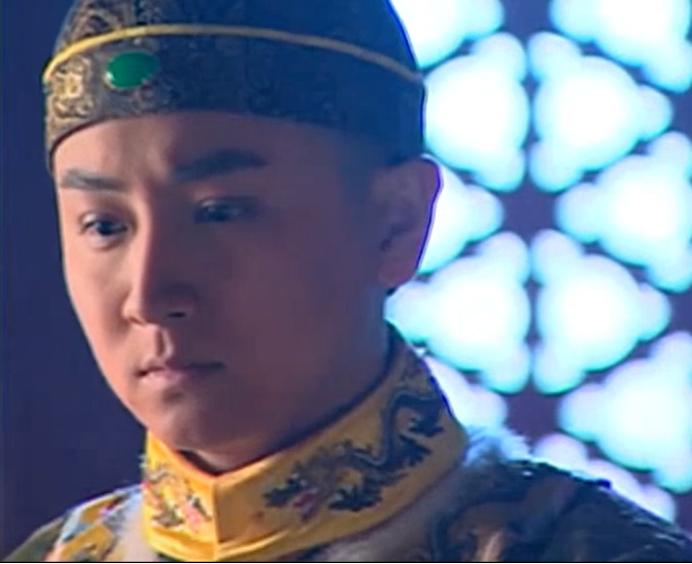
Tongzhi
Historians often describe Tongzhi Emperor as a "doormat" controlled by Cixi. At the same time, the death of Emperor Tongzhi is also a hot topic in academic circles and workshops, and the explosive words like brothel and syphilis are also popular among the people. Today, Wen Shijun will take a look at the life of Emperor Tongzhi with you.
First, Zai Chun’s early establishment and Xinyou coup
Emperor Tongzhi, namely Aisingiorro Zai Chun, is the eldest son of Emperor Xianfeng and the biological son of Cixi. Before Tongzhi ascended the throne, that is, in the eleventh year of Xianfeng (1861), in the Xinyou year of the lunar calendar, there was a coup in the palace-Xinyou coup, also known as Qixiang coup.
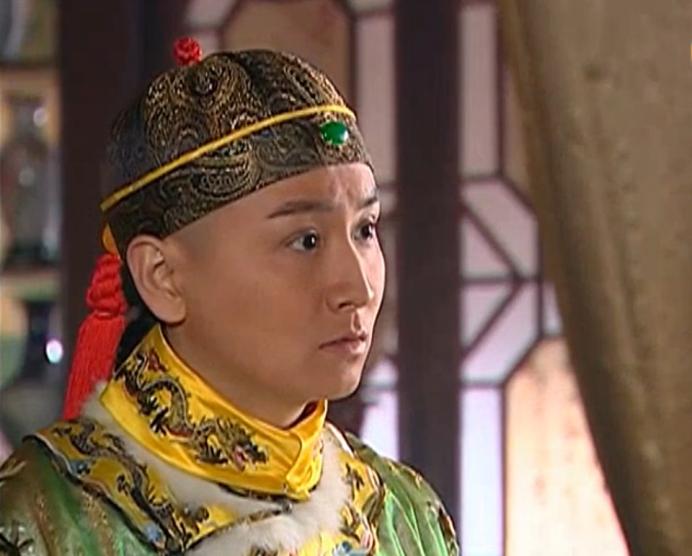
Tongzhi
The word "Qi Xiang" was originally promised by Zai Chun, and it was taken from "Don’t dry up, don’t be a child, give birth to Qi Xiang" in The History of Song Dynasty. Later, after the successful coup, the title of "Tongzhi" was changed.
In July of this year, when Xianfeng was dying, he decided to make Zai Chun the Crown Prince. Because the emperor was worried that his son was young, he appointed eight people, including Su Shun and Duan Hua, to assist the young master in government affairs, which was known as "Eight Ministers of Gu Ming" in history.
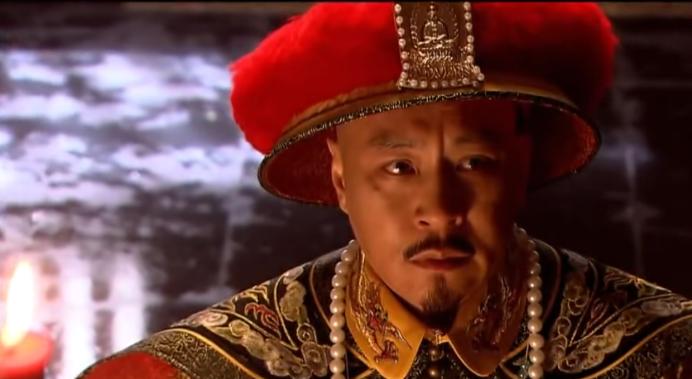
Xianfeng
However, Xianfeng’s decision shook the conservative political forces headed by Yi. Yi joined forces with Empress Dowager Cixi and Ci ‘an, who also had political ambitions, and successfully launched a coup in September. Eight ministers demoted and killed, and the palace almost became the world of a three-person group.
In winter, the Empress Dowager Ci ‘an and Empress Cixi changed the title to Tongzhi, and the Tongzhi emperor officially ascended the throne in the Hall of Supreme Harmony. Tongzhi, taking the meaning of "Tongzhi" in the Spring and Autumn Annals, symbolizes the Manchu people’s willingness to cooperate with the Han monarch and ministers and rule the country together. Of course, this title also follows the title of Shunzhi of the first emperor. The Empress Dowager of the Imperial Palace formally listened to the government in hall of mental cultivation. Until the emperor grew up, no matter how big or small, he had to listen to the queen mother of the two palaces.
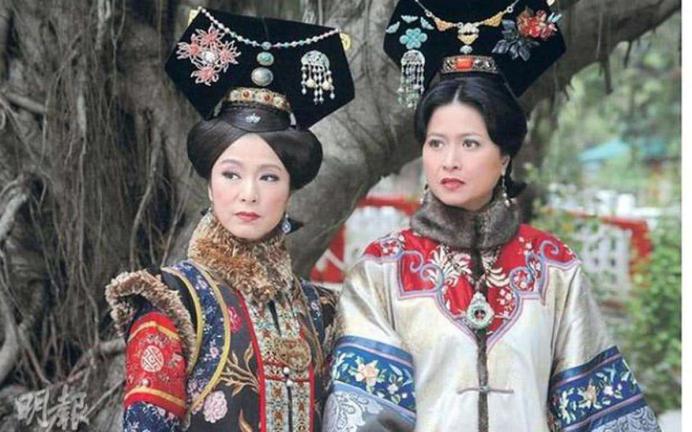
Cixi and Ci ‘an controlled the state affairs.
Second, listening to politics and the change of Zai Chun’s thought.
The Empress Dowager of the two palaces listened to politics, and the young emperor was also happy to be at leisure and set his mind at ease to study in the Hongde Hall, which was taught by Qi Junzao and others. If this goes on, the Tongzhi emperor will study hard with his heart, and the old lady will carefully assist his ministers. This should have been a scene of blind date.
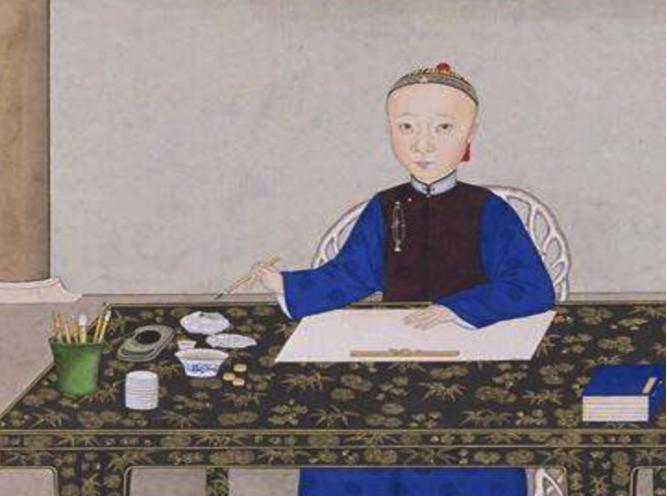
Tongzhi emperor’s juvenile pen practice map
However, the operation of power often does not follow the routine. Soon, Cixi overwhelmed Yi and Ci ‘an in the power struggle, and the three-person group became "one arbitrary family". Cixi cultivated her pro-Party and restricted the emperor’s power. When the emperor grew up, he found that he was not like that at all. The contradiction between mother and son just surfaced.
Cixi in film and television dramas
But Cixi was in full swing, and Zai Chun couldn’t help it, if not taste. In the eighth year of Tongzhi (1869), the Qing court began to prepare for the big wedding for the emperor, and Cixi decreed that the ceremony should be "frugal".
At that time, Zai Chun was 14 years old, and both Shunzhi and Kangxi were married at this age. The emperor is young and has his own interests. But the queen mother’s decision is obviously that she doesn’t want Zai Chun to "contact her in-laws" too early. He was afraid that the emperor would have other support, which would hinder him from listening to politics.
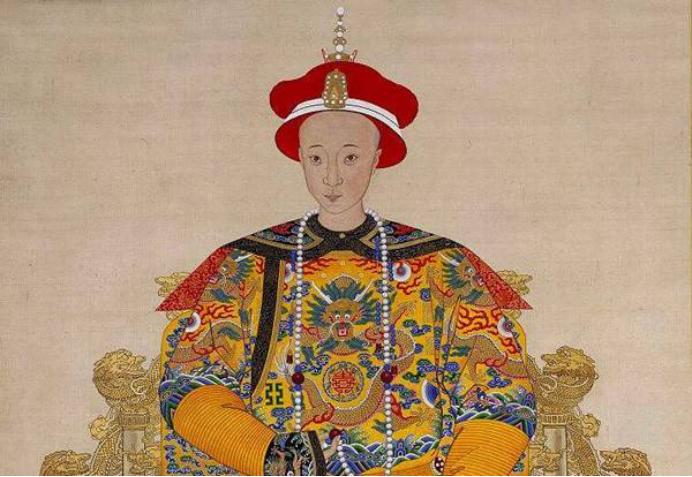
Young tongzhi emperor
Three years later, in the draft of Qing Palace, both Empresses had their own fancy. On the surface, it is to choose a concubine for the emperor. In private, the tide is surging and competing with each other. Never thought, Tongzhi emperor didn’t like Fucha arranged by his mother, but liked Arute recommended by Empress Dowager Ci ‘an. Tongzhi is probably deliberately angry with Cixi. The emperor is young and energetic. He has long had a contradiction with his mother and hates his mother. Naturally, he hates his house and his house.
This made Cixi quite unhappy and finally decided to suppress the emperor and the imperial concubine. There is often a saying in unofficial history that Arute was persecuted to death by Cixi, which is actually how it came about.
Arute in film and television dramas
In the first month of the 12th year of Tongzhi (1873), the Empress Dowager of the two palaces allowed Tongzhi to take charge of her own affairs. Tongzhi was 18 years old this year, which was the quiet period of Qing diplomacy. The Taiping Rebellion was initially put down in China, and the Westernization Movement was in full swing. The emperor also has a heart of struggle. This period is called "Tongzhi Zhongxing".
Originally, in this good time, the Tongzhi emperor should make great efforts, but in October of the following year, it was suddenly reported that the emperor was ill in the palace, and the memorial was still to be approved by the Queen Mother of the two palaces. On the fifth day of December, Emperor Tongzhi died in hall of mental cultivation at the age of 19. The Tongzhi emperor, who had just ruled the country and was full of ambitions and practiced, died so hastily.
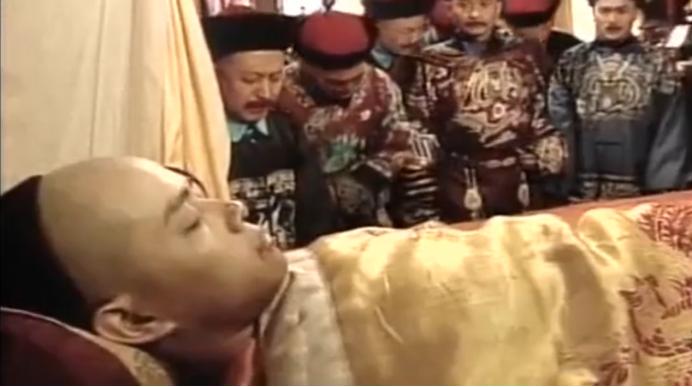
Tongzhi died
Third, the mystery of tongzhi’s death
How did Emperor Tongzhi die? The academic and anecdotal versions are different. There is a saying from the Diary of Weng Tonghe that Tongzhi got "pox" and died of smallpox.
But people don’t believe this version. Because the emperor began to have a sick body in October and died suddenly in December, this time of more than one month did not conform to the death law of "pox disease". Therefore, unofficial history speculated that Tongzhi was "going to get sick". This "sexual disease" is syphilis.
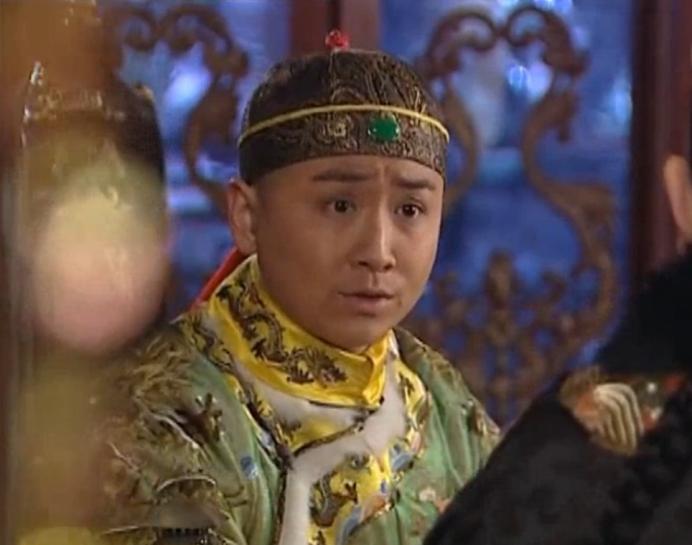
Tongzhi
Which version should we believe?
Let’s talk about pox first. According to the record in Weng Tonghe’s Diary, the emperor began to stay in bed in November, and was diagnosed by the physician Li Deli as suffering from smallpox. At the beginning of the month, the emperor had symptoms of "no appetite" and "sore throat and nausea". Later, after eating duck porridge, Radix Scrophulariae, cicada clothing and honeysuckle, "the sore throat was reduced".
In the middle of the month, Weng Tonghe was able to meet the emperor personally. He described Tongzhi as "lying out, flowers are extremely dense", which means that the emperor has acne all over his body. After two days, I saw that the emperor became "powerful in voice and full in grouting", which seemed to be the stage for the human body to fight smallpox virus, and the emperor seemed to be getting better.
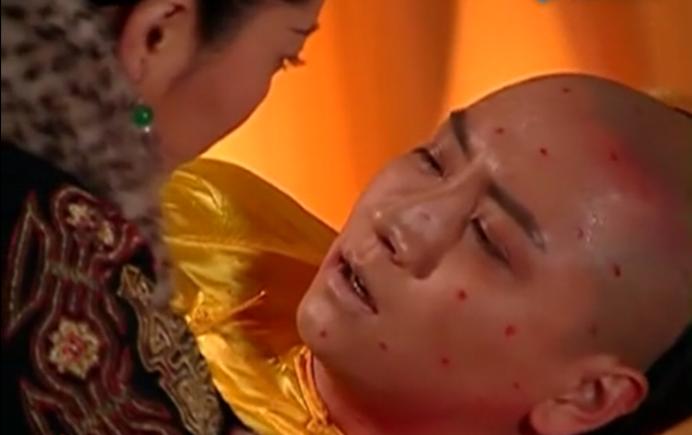
Cixi visits the sick
In fact, the emperor did not recover from illness. It is precisely because the acne granules are full but delayed, and those who do not get acne are unclear. By the beginning of December, the emperor became "haggard and hot in his chest." When the physician uncovered the ointment and squeezed pus, he found that "the pus was half-filled and purple under the waist." It wasn’t long before the emperor died.
This is Weng Tonghe’s record of Tongzhi Emperor’s illness, which is very detailed and clear.
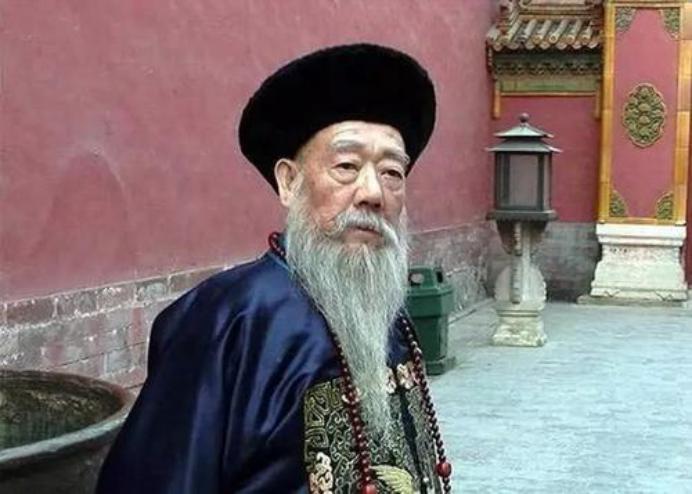
Weng Tonghe in Film and Television Plays
However, according to unofficial history’s Legacy of the Qing Palace, "Tongzhi went to the place where prostitutes worked, causing syphilis". Emperor, why do you sleep in flowers and willow trees? Unofficial history said that it was the emperor who was afraid of the majesty of Cixi and felt that the palace was boring, so he "went out and indulged in prostitution". What’s even more amazing is that the emperor also specially looked for some "prostitutes in the city", that is, those "wild sellers" who couldn’t get on the table. Xiao Yishan, a famous historian of Qing Dynasty, has repeatedly emphasized that Tongzhi Emperor died of syphilis, which is widely circulated among the people. Considering the emperor’s special hobbies, it seems that it is not impossible.
However, in recent years, a large number of Qing Palace archives have been published, which provides some new materials for people to explore these issues. For example, the archives of the Qing Dynasty, Long live the book of drugs for smallpox, recorded all the diagnosis and medication records since the illness of Emperor Tongzhi. Comparing these records with Weng Tonghe’s diary, the records of the illness are relatively consistent. Scholars in the Palace Museum also consulted relevant Chinese medicine experts on this file, and the conclusion was that they died of smallpox, and the experts also gave a specific course of disease: smallpox (pox rash) was the initial stage of the disease; The middle stage of the disease is "carbuncle after acne" caused by the virus of acne rash; The later stage of the disease is "toothache" caused by the residual poison of acne rash; Finally, he died of toxic heat invagination.
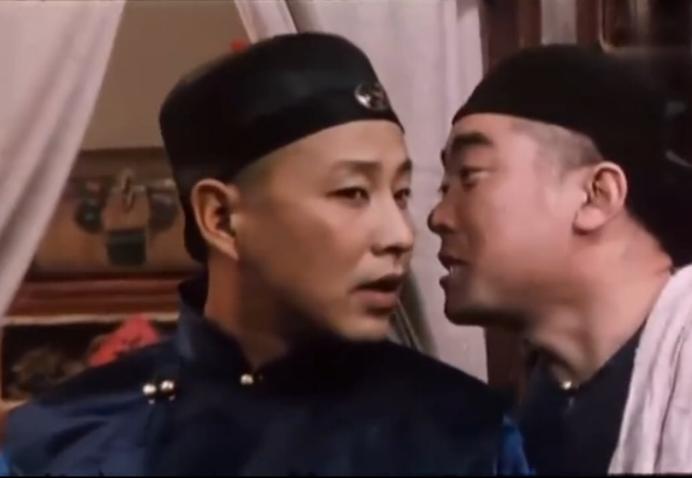
Tongzhi is in brothel.
Therefore, from the current research, it seems that the Tongzhi emperor is more likely to die of smallpox. As for the statement of syphilis, it may be related to the special hobby of Tongzhi and the people’s rebellious psychology towards the "big man" in folk communication.
Wen Shijun said
Empress Dowager Cixi was too harsh, which made Tongzhi develop a rebellious and withdrawn character. It is said that the eunuch in the palace secretly opened a small door for him at the edge of the Forbidden City to please the young master. Tongzhi went out of the city through a small door, and three or two attendants walked close to him. It would be a great loss of decency if someone saw the emperor prostitute himself. However, it is an indisputable fact that Tongzhi has this hobby. Yi and other ministers have warned the Queen Mother many times, which is recorded in the history books. The emperor had to avoid the minister’s eyes and vent his desire in a remote place where no one cares. Indulgence, plus the place to go is not an "insurance" place. Therefore, the probability of the emperor being infected with prostitution is not small. But in the end, he got sick and died. According to the analysis of medical records, smallpox is more likely.
references
Qu Weiying: The Cause of Death of Tongzhi and Guangxu, Outlook Weekly, No.11, 1988.
Shen Weibin: Viewing the illness and cause of death of Tongzhi Emperor from the Diary of Weng Tonghe, Exploration and Contention, No.1, 2006.
Xu Yipu: The Death of Emperor Tongzhi, Journal of the Palace Museum, No.4, 1980.
(Author: Haoran literature and history porcelain country garbage dump)
Original title: "He was the shortest-lived emperor of the Qing Dynasty. He was controlled to die strangely all his life. Did he die of smallpox or syphilis? 》